



What are the Different Types of Electric Vehicles
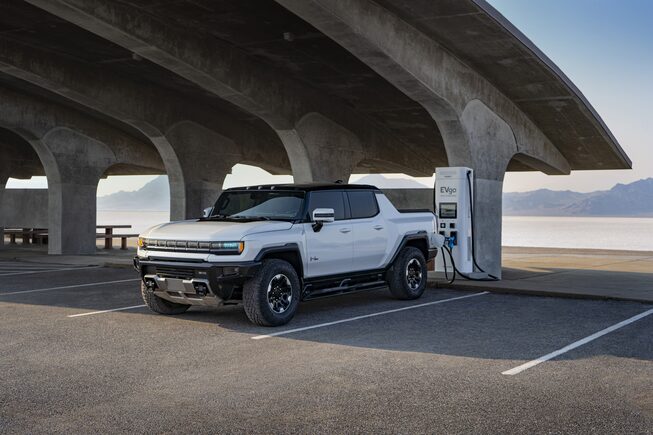
What are the Different Types of Electric Vehicles
The realm of electric vehicle options extends well beyond solely battery-powered models. Today's car buyers have various choices encompassing propulsion methods, including fuel cells and combinations like hybrid and plug-in configurations. This article will elucidate the conventional categories of electric automobiles: the battery-powered electric vehicle (BEV), often referred to as the standard EV; the hybrid electric vehicle (HEV); and the plug-in hybrid electric vehicle (PHEV). Amidst the sea of acronyms, let's delve into each category.
HEV
Hybrid Electric Vehicles, known as HEVs, combine a gasoline-powered engine with an electric motor for propulsion. The battery's energy is primarily replenished through regenerative braking, which captures and utilizes energy that would otherwise be dissipated as heat during braking. This recovered energy aids the gasoline engine during acceleration. In contrast to conventional internal combustion engine vehicles, where braking energy is typically wasted as heat in the braking system, HEVs optimize this process. Unlike plug-in hybrids, HEVs cannot connect to the power grid for recharging and are not compatible with charging infrastructure.
PHEV
Plug-in hybrid electric vehicles (PHEVs) also employ batteries to operate an electric motor, and they can be recharged via an external power source. However, they integrate a smaller internal combustion engine intended for battery recharging, extending the vehicle's overall travel distance. PHEVs often can cover moderate distances in "EV mode," relying solely on the battery, typically spanning between 20 to 50 miles. This notably curtails their reliance on gasoline and minimizes emissions during regular driving, especially for shorter journeys. When their batteries are fully charged, PHEVs exhibit a 14 to 47 percent fuel efficiency improvement compared to conventional vehicles. When electric charging is inaccessible, PHEVs can operate using traditional fuel sources.
BEV
Battery electric vehicles, often called "all-electric vehicles," operate exclusively on electricity and require recharging from an external power supply. These vehicles are driven by one or multiple electric motors powered by rechargeable battery packs. Most BEVs can cover a minimum distance of 100 miles on a single charge, with numerous newly introduced models boasting an all-electric range exceeding 200 to 300 miles. Notably, BEVs are vehicles with zero emissions, as they do not produce any detrimental exhaust emissions or contribute to the air pollution associated with conventional gasoline-powered cars.
Premier GMC has the Perfect Electric Vehicle for You!
Regardless of the specific type of electric vehicle you're considering, the dedicated team at Premier GMC is ready to assist. Premier GMC's topmost objective is ensuring customer contentment, guiding all our actions and decisions. Our extensive dealer network offers a diverse range of vehicles. Furthermore, we extend the most competitive pricing to GMC buyers for any new car, and all are presented through a streamlined and stress-free purchasing process.

Tax, title, license and dealer fees (unless itemized above) are extra. Not available with special finance or lease offers. See dealer for details.
MPG estimates on this website are EPA estimates; your actual mileage may vary. For used vehicles, MPG estimates are EPA estimates for the vehicle when it was new. The EPA periodically modifies its MPG calculation methodology; all MPG estimates are based on the methodology in effect when the vehicles were new (please see the ?Fuel Economy? portion of the EPA?s website for details, including a MPG recalculation tool).
The Manufacturer's Suggested Retail Price excludes tax, title, license, dealer fees and optional equipment. Dealer sets final price.